
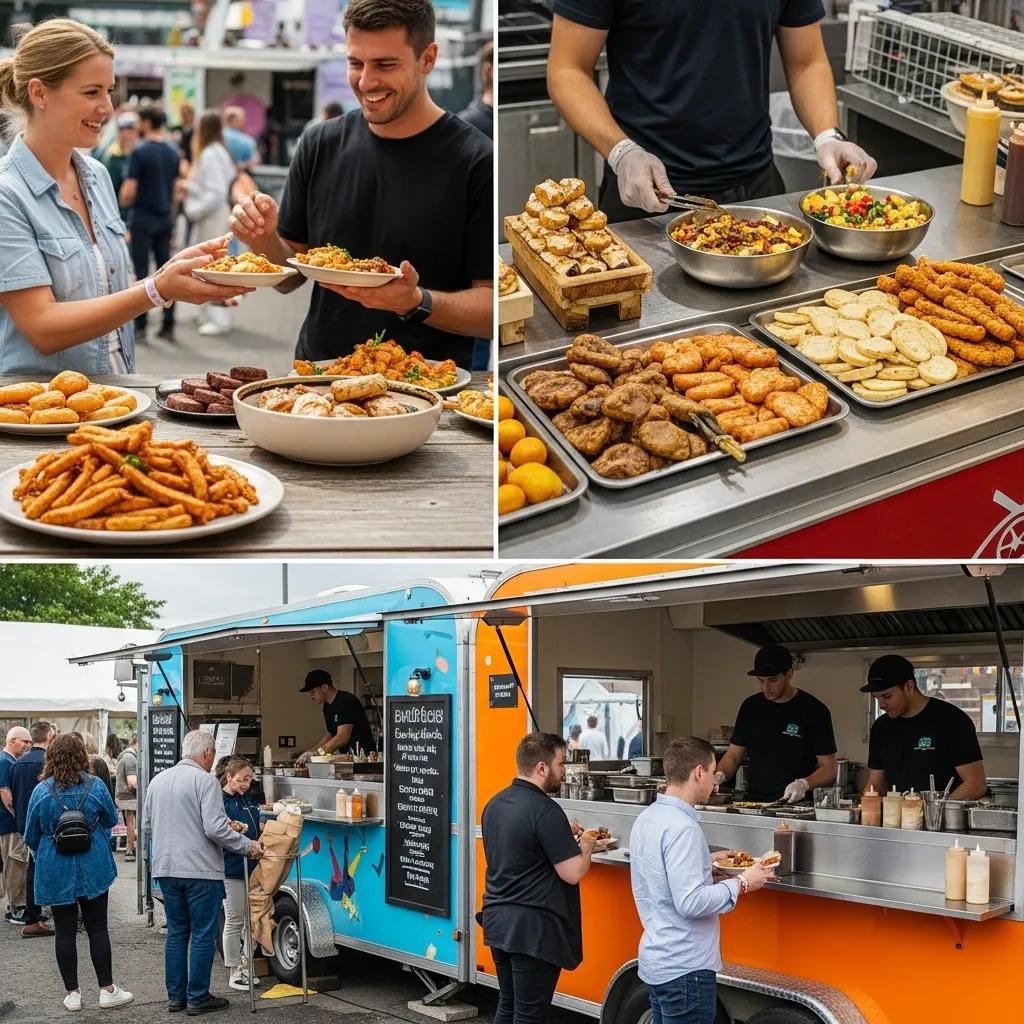
Starting a food trailer business can be an exciting venture for culinary enthusiasts and entrepreneurs alike. This comprehensive guide will walk you through the essential steps, from understanding startup costs to navigating regulatory requirements. You’ll learn how to effectively plan and launch your food trailer business while exploring financing options and customization insights. Many first-time owners face challenges in budgeting and compliance, but with the right information, you can set yourself up for success. This article will cover key startup costs, financing options, trailer selection and customization, regulatory requirements, and effective marketing strategies to ensure your food trailer business thrives.
Indeed, research highlights that securing adequate funding and navigating complex regulations are among the primary hurdles for new mobile food market operators.
Mobile Food Market Funding & Regulatory Challenges
The leading challenges cited by KIs correspond to the CFIR domains of inner setting (e.g., funding and resources), outer setting (e.g., navigating regulations), and process (e.g., engaging community partnership).
Operational challenges that may affect implementation of evidence-based mobile market interventions, CM Kasprzak, 2022
What Are the Key Startup Costs and Financing Options for a Food Trailer Business?
Starting a food trailer business involves several key startup costs that aspiring owners must consider. These costs typically include the purchase or lease of a trailer, kitchen equipment, permits, and licenses. Understanding these expenses is crucial for effective budgeting and financial planning.
- Trailer Purchase or Lease: The cost of acquiring a food trailer can range around $20,000 to $100,000, depending on the size and features.
- Down Payment: If purchasing, a typical down payment is about 20%, which amounts to approximately $4,000 to $20,000.
- Permits and Licenses: Legal documentation is essential, and costs can vary based on location and type of food service.
Financing options are available to help manage these startup costs effectively. For those seeking to understand the specifics of financing, several avenues are available to explore.
| Financing Option | Description | Typical Terms |
|---|---|---|
| Leasing | Lower initial investment with predictable payments | 3-5 years |
| Small Business Loans | Combine features of traditional loans with flexible terms | Varies |
| Crowdfunding | Raise capital through platforms by appealing to potential customers | Varies |
These financing options can provide the necessary support to launch your food trailer business successfully.
Which Expenses Should First-Time Owners Anticipate?
First-time food trailer owners should be prepared for various expenses beyond the initial startup costs. Understanding these ongoing costs is vital for maintaining a profitable operation.
- Base Cost of the Trailer: This can range from a few thousand to tens of thousands, depending on the trailer’s specifications.
- Customization Costs: Additional expenses may arise for features that enhance functionality and appeal.
- Ongoing Maintenance and Operational Costs: Regular maintenance, fuel, and supplies are essential for smooth operations.
Shipping costs for the trailer can also add to the overall expenses, averaging around $2.50 to $5 per mile depending on distance and other factors.
How Can Financing Support Your Food Trailer Startup?

Financing plays a crucial role in supporting your food trailer startup by providing the necessary capital to cover initial and ongoing expenses. Financing options available can greatly assist new entrepreneurs in this venture.
- Leasing vs. Buying Options: Leasing often requires a lower initial investment and offers predictable monthly payments, making it an attractive option for many first-time owners.
- Loan Programs Available: Various loan programs are designed specifically for small businesses, combining features that cater to food service operations.
- Alternative Funding Sources: Crowdfunding has emerged as a viable option, allowing entrepreneurs to raise capital by engaging with potential customers and supporters.
By exploring these financing avenues, you can secure the funds needed to launch and sustain your food trailer business.
How to Choose and Customize Your Food and Concession Trailer?
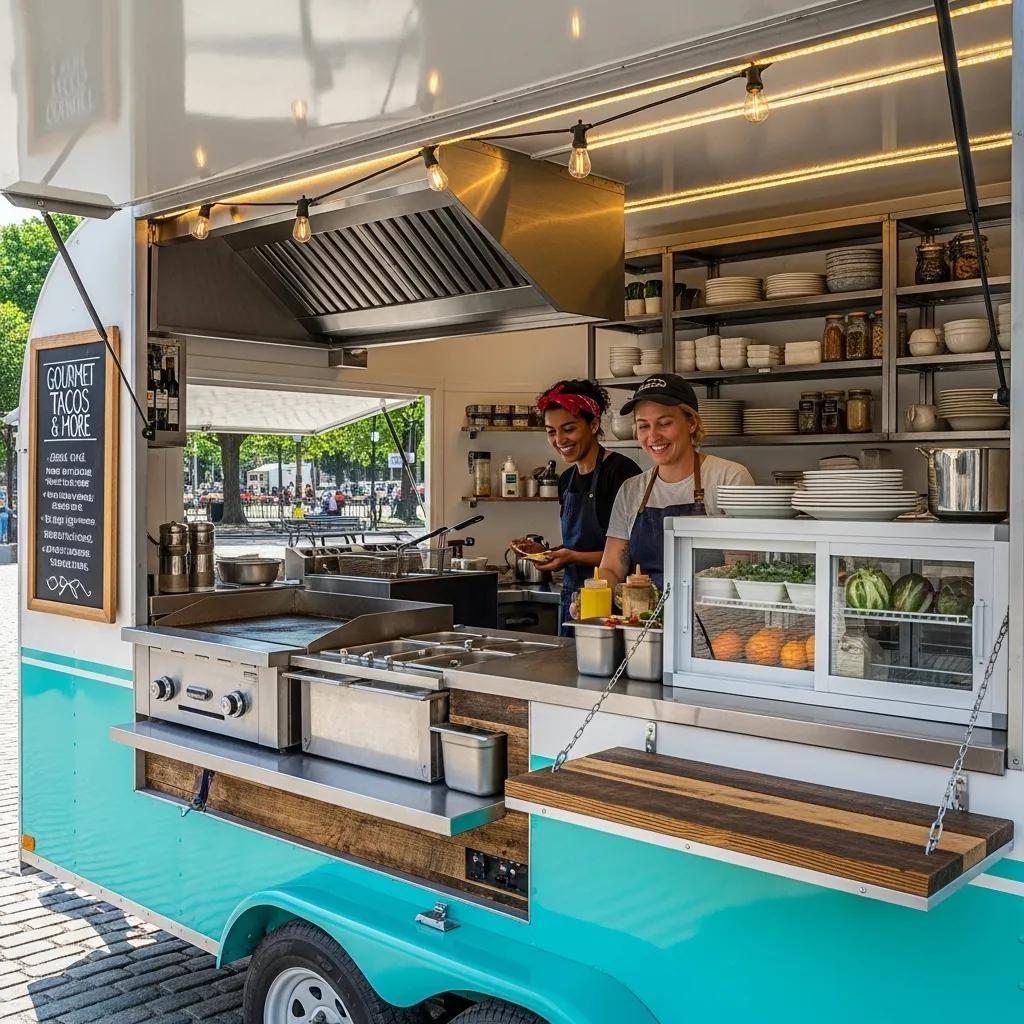
Choosing the right food trailer is a critical step in establishing your business. It’s essential to define your needs and select specifications that align with your business goals.
- Define Your Needs: Consider your target market and the type of food you plan to serve.
- Select Trailer Specifications: Pay attention to size, color, and necessary kitchen equipment to ensure efficiency.
- Get a Quote from Trailer Manufacturers: For customization options, contacting multiple trailer manufacturers can provide insights into available features and pricing.
Customization can significantly enhance your trailer’s functionality and appeal, making it a worthwhile investment.
What Features Should You Consider in a Custom Food Trailer?
When customizing your food trailer, several essential features should be prioritized to ensure operational efficiency and compliance with health regulations. You can check out the advantages of food trailer vs food truck.
- State-of-the-Art Appliances: High-quality refrigeration units and cooking equipment are vital for food safety and quality.
- Maximized Workflow Layout: An efficient layout enhances productivity and customer service.
- Compliance with Regulations: Ensure that your trailer meets all necessary health and safety standards to avoid legal issues.
These features contribute to a successful food trailer operation, allowing you to serve customers effectively.
How Does Trailer Design Impact Mobile Food Business Operations?
The design of your food trailer can significantly impact your mobile food business operations. An optimized design enhances both functionality and customer experience.
- Optimized Space and Efficiency: A well-designed trailer maximizes space, allowing for smooth workflow and quick service.
- Branding and Market Presence: A visually appealing design can attract customers and enhance brand recognition.
- Compliance with Health Regulations: Proper design ensures adherence to health codes, which is crucial for operating legally.
Understanding these design elements can help you create a successful mobile food business.
What Are the Licensing and Regulatory Requirements for Mobile Food Businesses?
Navigating the licensing and regulatory landscape is essential for operating a food trailer business legally.
- Health and Safety Regulations: Compliance with local health codes is mandatory to ensure food safety.
- Necessary Permits: Various permits may be required, including food service permits and business licenses.
- Compliance with Local Laws: Each locality may have specific regulations that must be adhered to, making it essential to research local requirements.
Being proactive in understanding these regulations can prevent costly fines and operational disruptions.
How to Navigate Mobile Food Business Regulations Effectively?
Successfully navigating mobile food business regulations requires diligence and preparation. Here are some best practices:
- Consult Local Health Departments: Engaging with local health officials can provide clarity on necessary permits and regulations.
- Incorporate Essential Features: Ensure your trailer design includes features that comply with health and safety standards.
- Train Staff on Safety Protocols: Proper training for staff on food safety and hygiene practices is crucial for compliance.
By following these practices, you can effectively manage regulatory requirements and focus on growing your business.
What Are the Essential Steps in Planning and Launching Your Food Trailer Business?
Planning and launching a food trailer business involves several essential steps that can set the foundation for success.
- Define Your Needs and Goals: Clearly outline your business objectives and target market.
- Design Your Custom Food Trailer: Work on the specifications and features that will best serve your business model.
- Market Your Business: Develop a marketing strategy that includes social media, local events, and community engagement.
These steps are critical for ensuring a smooth launch and establishing a strong market presence.
How to Develop a Comprehensive Food Trailer Business Plan?
Creating a comprehensive business plan is vital for guiding your food trailer business toward success.
- Define Business Goals: Set clear, measurable objectives for your business.
- Market Research: Conduct thorough research to understand your target audience and competition.
- Financial Planning: Outline your budget, including startup costs, ongoing expenses, and projected revenue.
A well-structured business plan can help secure financing and provide a roadmap for your business.
What Marketing and Operational Strategies Ensure Success?
Effective marketing and operational strategies are essential for the success of your food trailer business.
- Customer Support and Engagement: Building strong relationships with customers can lead to repeat business and positive word-of-mouth.
- Tailored Solutions: Offering unique menu items or services can differentiate your business from competitors.
- Social Media and Word-of-Mouth: Utilize social media platforms to promote your business and engage with the community.
Implementing these strategies can enhance your business’s visibility and operational efficiency.
For those interested in exploring custom trailers, numerous options are available to tailor your business to your specific needs.
Additionally, if you’re considering different types of trailers, exploring food and beverage trailers can provide valuable insights into what’s available.
Frequently Asked Questions
What are the most common challenges faced by food trailer entrepreneurs?
Food trailer entrepreneurs often encounter several challenges, including securing funding, navigating local regulations, and managing operational logistics. Many first-time owners struggle with understanding the complexities of permits and health codes, which can vary significantly by location. Additionally, competition in the mobile food market can be fierce, requiring effective marketing strategies to attract customers. Addressing these challenges early on can help set a solid foundation for a successful business.
How can I effectively market my food trailer business?
Marketing your food trailer business effectively involves a combination of online and offline strategies. Utilize social media platforms to showcase your menu, share customer testimonials, and announce your location. Engaging with local events and festivals can also increase visibility. Collaborating with food bloggers or influencers can help reach a broader audience. Additionally, consider loyalty programs or promotions to encourage repeat customers and word-of-mouth referrals.
What types of insurance do I need for my food trailer business?
Having the right insurance is crucial for protecting your food trailer business. Common types of insurance include general liability insurance, which covers accidents and injuries, and commercial auto insurance for the trailer itself. Additionally, consider product liability insurance to protect against claims related to food safety. Depending on your location, you may also need specific permits or coverage related to health regulations. Consulting with an insurance professional can help tailor a policy to your needs.
How do I determine the best location for my food trailer?
Choosing the right location for your food trailer is vital for attracting customers. Look for high-traffic areas such as parks, festivals, or events where your target market frequents. Research local regulations regarding where you can operate, as some areas may have restrictions. Additionally, consider the competition in the area and whether your menu offers something unique. Conducting market research can help identify the best spots to maximize visibility and sales.
What are the benefits of customizing my food trailer?
Customizing your food trailer can significantly enhance its functionality and appeal. Tailored features can improve workflow efficiency, making it easier to serve customers quickly. A well-designed trailer can also reflect your brand identity, attracting more customers. Customization allows you to incorporate state-of-the-art equipment that meets health regulations, ensuring food safety. Overall, investing in customization can lead to a better customer experience and increased profitability.
How can I ensure compliance with health regulations?
Ensuring compliance with health regulations is essential for operating your food trailer legally. Start by familiarizing yourself with local health codes and requirements, which can vary by location. Regularly inspect your equipment and food storage practices to maintain safety standards. Training your staff on food safety protocols is also crucial. Engaging with local health departments can provide guidance and help you stay updated on any changes in regulations. You can learn more about food trailer regulations and compliance.
What financing options are available for food trailer startups?
Several financing options are available for food trailer startups, including traditional small business loans, leasing options, and crowdfunding. Small business loans can provide the capital needed for purchasing or customizing a trailer, while leasing can lower initial costs with predictable payments. Crowdfunding allows you to raise funds by engaging potential customers and supporters. Exploring these options can help you find the best fit for your financial situation and business goals.