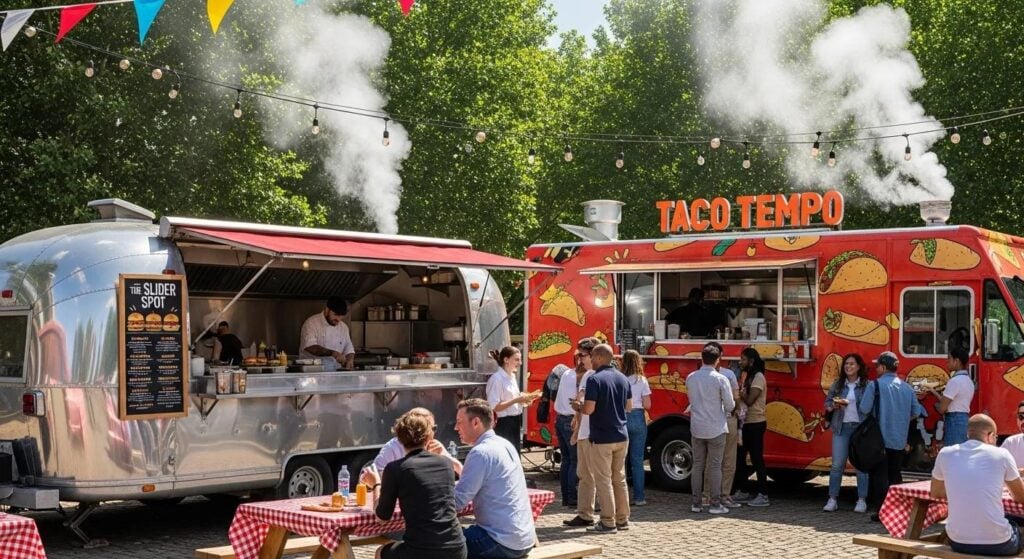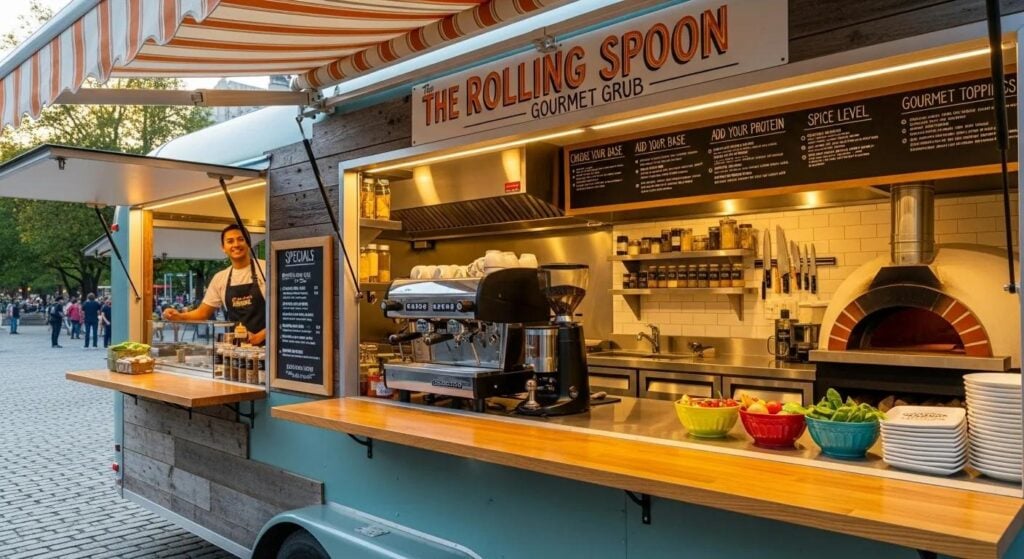
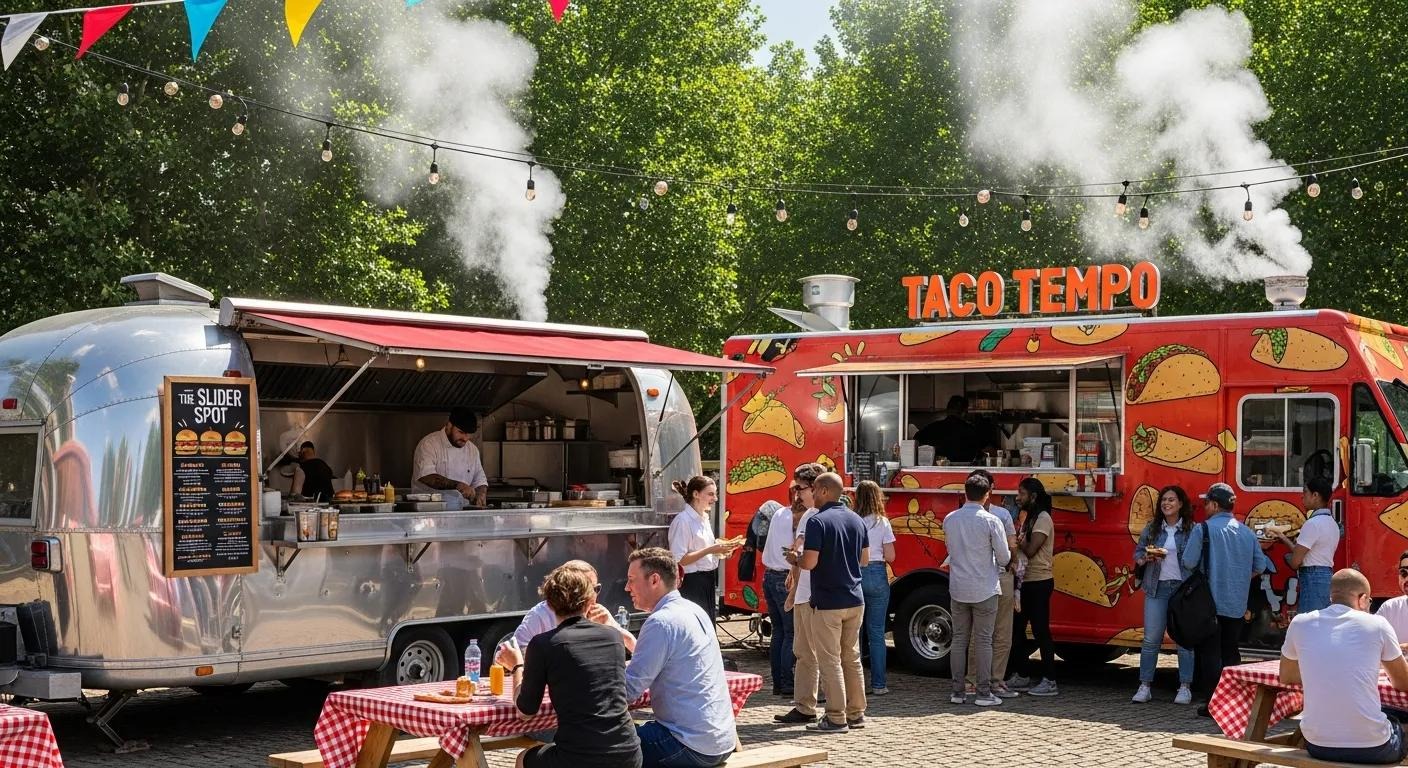
The mobile food industry has seen significant growth, leading many entrepreneurs to consider their options between food trailers and food trucks. Understanding the differences in investment, operational capabilities, and customization options is crucial for making an informed decision. This article will explore the key factors that differentiate food trailers from food trucks, helping you determine which option aligns best with your business goals. We will delve into cost analysis, operational differences, key benefits, customization options, maintenance requirements, and market demand. By the end, you will have a clearer picture of the advantages of food trailer vs food truck, enabling you to make a sound investment decision.
Cost Analysis
When evaluating the financial implications of starting a mobile food business, the initial investment and ongoing operational costs are critical factors. Food trailers generally require a lower initial investment compared to food trucks, which can be more expensive due to their complex machinery and built-in kitchen facilities. Additionally, operational costs such as fuel, maintenance, and insurance can vary significantly between the two options.
Investing in a custom food trailer can be a financially sound decision, especially for those looking to minimize upfront costs while maximizing operational efficiency. SDG Trailers specializes in manufacturing and customizing trailers tailored to meet the specific needs of mobile food vendors, emphasizing quality construction and financing options to facilitate investment decisions.
Operational Differences
The operational capabilities of food trailers and food trucks differ significantly. Food trucks offer greater mobility, allowing vendors to move to various locations quickly. This flexibility can be advantageous during events or peak hours. In contrast, food trailers are often stationary, which can provide a more stable setup for operations but may limit mobility. For more information, you can visit the advantages of food trailers.
Food trucks can also accommodate more extensive kitchen equipment, enabling a broader menu offering. However, food trailers can be customized to include essential kitchen equipment while maintaining a lower profile. Understanding these operational differences is vital for determining which option aligns with your business model.
Key Benefits
Investing in a food trailer comes with several advantages that can enhance your mobile food business. Here are some key benefits:
- Cost Advantages: Food trailers typically have lower initial and operational costs compared to food trucks.
- Operational Flexibility: Trailers can be set up in various locations, allowing for strategic positioning during events.
- Potential Profitability: With lower overhead costs, food trailers can lead to higher profit margins over time.
These benefits make food trailers an attractive option for many entrepreneurs looking to enter the mobile food market.
Customization Options
Customization is a significant factor when choosing between a food trailer and a food truck. Food trailers can be tailored to meet specific operational requirements, including kitchen layout, equipment, and branding elements. This level of customization allows vendors to create a unique identity that resonates with their target audience.
SDG Trailers offers a range of customization options for food trailers, ensuring that each unit meets the specific needs of mobile food vendors. From kitchen equipment to branding elements, the ability to customize a food trailer can enhance functionality and operational efficiency.
What Are the Key Benefits of Investing in a Food Trailer?
Investing in a food trailer provides several key benefits, including:
- Lower Initial Investment: Food trailers generally cost less to purchase and set up than food trucks.
- Flexibility in Design: Customization options allow for tailored designs that meet specific business needs.
- Reduced Operational Costs: Lower maintenance and fuel costs contribute to overall profitability.
These advantages make food trailers a compelling choice for many aspiring mobile food entrepreneurs.
How Does Customization Enhance Food Trailer Functionality?
Customization enhances food trailer functionality by allowing vendors to design their workspace according to their specific operational needs. This includes: custom mobile catering trailer.
- Tailored Kitchen Layouts: Custom designs can optimize workflow and efficiency.
- Regulatory Compliance: Custom trailers can be built to meet local health and safety regulations.
- Enhanced Branding: Unique designs can help establish a strong brand presence in the market.
By investing in a customized food trailer, vendors can create a more efficient and appealing workspace that attracts customers.
Maintenance Requirements
Maintenance is a crucial aspect of operating a mobile food business. Food trailers generally require less frequent maintenance compared to food trucks, which have more complex mechanical systems. Regular upkeep for both options is essential to ensure safety and compliance with health regulations.
Food trailers typically have lower maintenance costs, as they do not have the same level of mechanical complexity as food trucks. This can lead to significant savings over time, making food trailers a more attractive option for budget-conscious entrepreneurs.
What Are the Pros and Cons of Food Trucks for Mobile Food Businesses?
Food trucks offer unique advantages and disadvantages that should be considered: advantages of food trailer
Pros: Food trailer vs food truck
- Mobility: Food trucks can easily relocate to different locations, maximizing customer reach.
- Larger Kitchen Space: They can accommodate more extensive kitchen equipment, allowing for a diverse menu.
Cons: food trailer vs food truck
- Higher Initial Costs: Food trucks typically require a larger upfront investment.
- Increased Maintenance: More complex systems can lead to higher maintenance costs.
Understanding these pros and cons can help entrepreneurs make informed decisions about their mobile food business.
Further research highlights the importance of optimizing food truck operations to overcome common challenges and improve efficiency.
Enhancing Food Truck Operational Efficiency with Lean Principles
This study examines how Lean principles and capacity planning can enhance operational efficiency in small food businesses, focusing on Yokoso Neng Ikah, a food truck operating in Yaizu City, Japan. The business has faced persistent challenges, including long customer wait times, raw material waste, and uneven staff workloads during peak hours.
Implementation of Lean and Capacity Planning to Improve Food Truck Operational Efficiency as a Business Expansion Preparation Strategy, 2026
Market Demand
The demand for mobile food options has been steadily increasing, driven by consumer preferences for convenience and unique dining experiences. Food trailers have gained popularity due to their lower costs and flexibility, making them an appealing choice for new entrepreneurs.
As the market continues to evolve, food trailers are well-positioned to meet the growing demand for mobile food services. This trend presents numerous opportunities for vendors to establish successful businesses in various locations.
How Do Financing Options Impact the Investment Decision Between Food Trailers and Food Trucks?
Financing options play a crucial role in the investment decision for both food trailers and food trucks. Many vendors may find it easier to secure financing for a food trailer due to its lower initial costs. Additionally, SDG Trailers offers financing solutions specifically designed for custom food trailers, making it easier for entrepreneurs to invest in their mobile food business.
What Financing Solutions Does SDG Trailers Offer for Custom Food Trailers?
SDG Trailers provides various financing options to help entrepreneurs acquire custom food trailers. These solutions include:
- Flexible Payment Plans: Tailored financing options to fit different budgets.
- Competitive Interest Rates: Affordable financing to minimize overall costs.
- Expert Guidance: Assistance in navigating the financing process to ensure a smooth experience.
These financing solutions can significantly impact the overall cost of ownership for mobile food vehicles, making it easier for vendors to enter the market.
To explore different models, consider browsing the food and beverage trailers available.
What Regulatory and Permit Considerations Affect Food Trailer and Food Truck Investments?
Both food trailers and food trucks are subject to various regulations and permit requirements that can impact their operation. Understanding these regulations is essential for ensuring compliance and avoiding potential fines.
Indeed, a deeper understanding of safety risks is crucial for all mobile food businesses to ensure smooth operations and compliance.
Understanding Safety Risks in Mobile Food Businesses Operations
However, the literatures on the safety issues in mobile food premises have not really undergone a full study. Thus, this study offers a systematic and thorough literature evaluation to fill this gap. The purpose of this present study is to develop a better understanding on the literature based on the following research questions: of what are the process flow of activities involved in mobile food premise businesses operation, what are the risks along the supply chain of mobile food premise businesses and what can be proposed for future research regarding this business.
A Systematic Review of Literature on Safety Risks in Mobile Food Premise Businesses, 2022
Which Permits Are Required for Operating Food Trailers Versus Food Trucks?
The permits required for operating food trailers and food trucks can vary by location. Common permits include: food and concession trailers.
- Health Permits: Required to ensure compliance with food safety regulations.
- Business Licenses: Necessary for legal operation within a specific jurisdiction.
- Zoning Permits: Required to operate in designated areas.
Navigating these regulatory requirements is crucial for the successful operation of a mobile food business.
How Do Regulations Influence Mobile Food Business Profitability?
Regulations can significantly influence the profitability of mobile food businesses. Compliance with health and safety standards is essential for maintaining a positive reputation and avoiding fines. Additionally, understanding local zoning laws can help vendors identify the best locations for their operations, maximizing customer reach and revenue potential.
By carefully considering these factors, entrepreneurs can make informed decisions about their investments in food trailers or food trucks, ultimately leading to a more successful mobile food business.