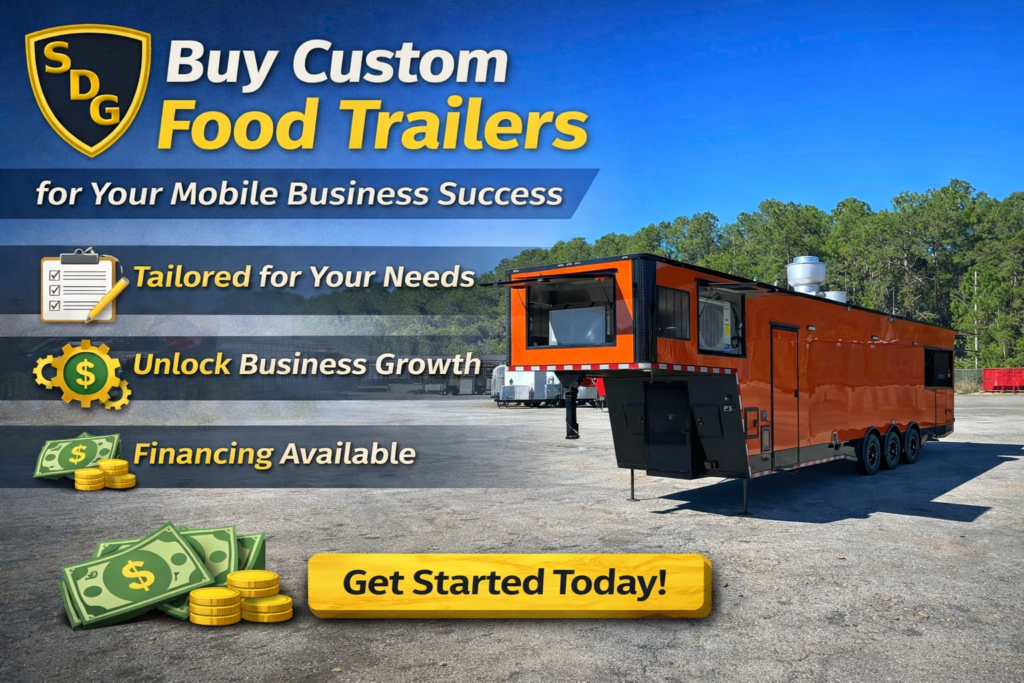
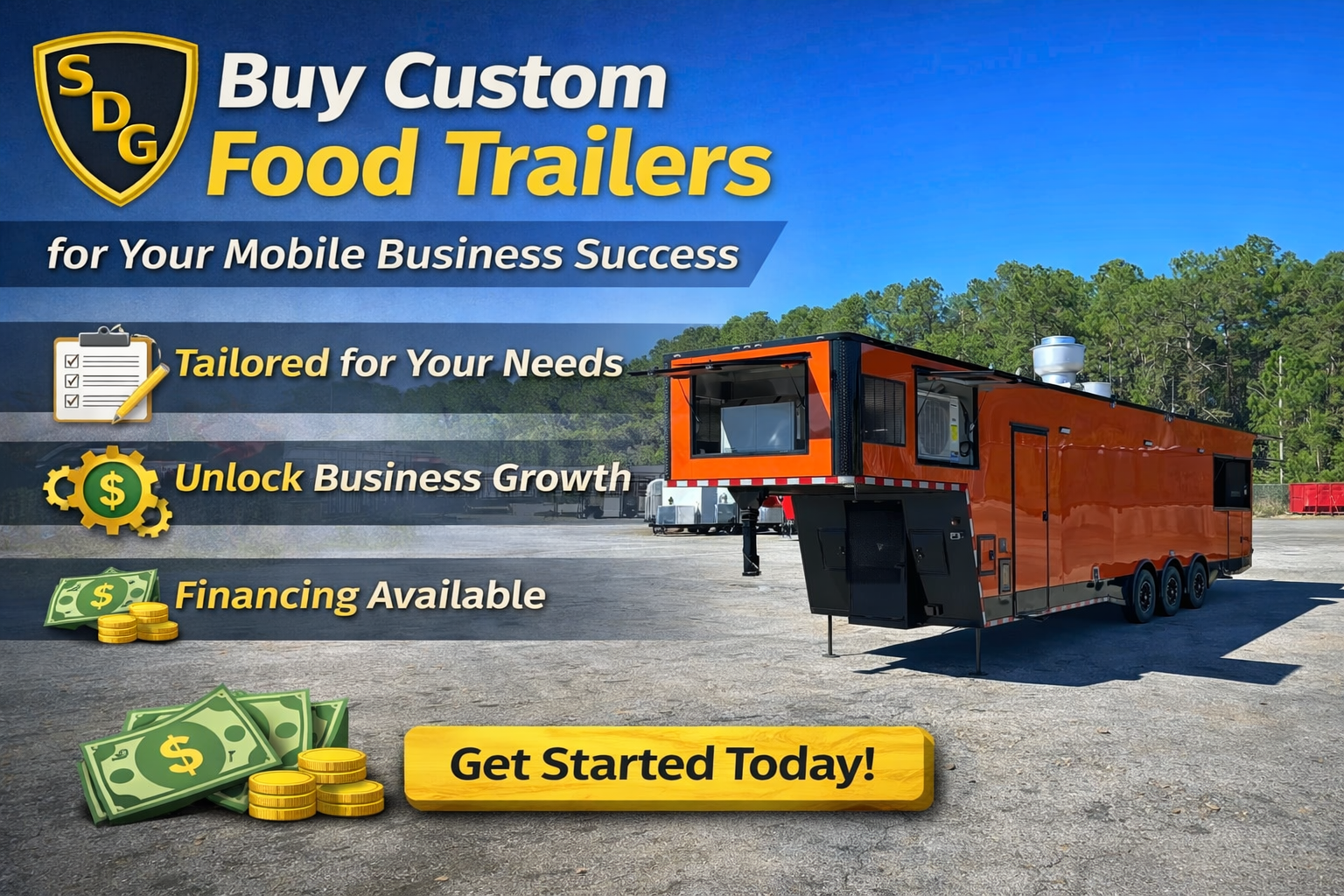
Launching a mobile food business is an exciting opportunity, but it takes thoughtful planning and the right investment. One of the most important decisions you’ll make is choosing a custom food trailer that matches your menu, workflow, and brand. This guide walks you through what to look for—features, manufacturers, and financing—so you can pick a trailer that supports efficient service, regulatory compliance, and strong curb appeal. Understanding customization options and essential features helps you avoid costly mistakes and set your business up to run smoothly from day one.
Understanding Custom Food Trailers
Custom food trailers are purpose-built mobile kitchens designed to support food prep and service wherever your business goes. They’re built to your specifications, from the interior layout and equipment choices to exterior branding. The real value of a custom build is matching the trailer to your menu and service style—so staff can work efficiently and you stay compliant with local health and safety codes.
Choosing a Manufacturer
Choosing the right manufacturer determines the durability and functionality of your trailer. When evaluating builders, focus on a few practical criteria:
- Experience and Reputation: Prioritize manufacturers with a solid track record and positive customer feedback.
- Customization Options: Make sure they can adapt layouts, equipment, and graphics to your exact needs.
- Quality of Materials: Confirm materials and finishes meet durability and health-code requirements.
One trusted option in the industry is SDG Trailers, known for building reliable, customizable food and concession trailers. Their focus on craftsmanship, clear communication, and design flexibility makes them a strong candidate for entrepreneurs aiming to balance function, compliance, and brand presence.
Customization Options
Customization lets you shape a trailer that supports your menu, staff, and customer experience. Common choices include:
- Interior Layout: Configure counters, prep areas, and pass-throughs to reduce wasted movement and speed service.
- Specialty Features: Add serving windows, retractable awnings, extra storage, or exterior lighting to improve service and visibility.
- Branding Elements: Use color, signage, and wraps to create consistent, eye-catching branding that draws customers.
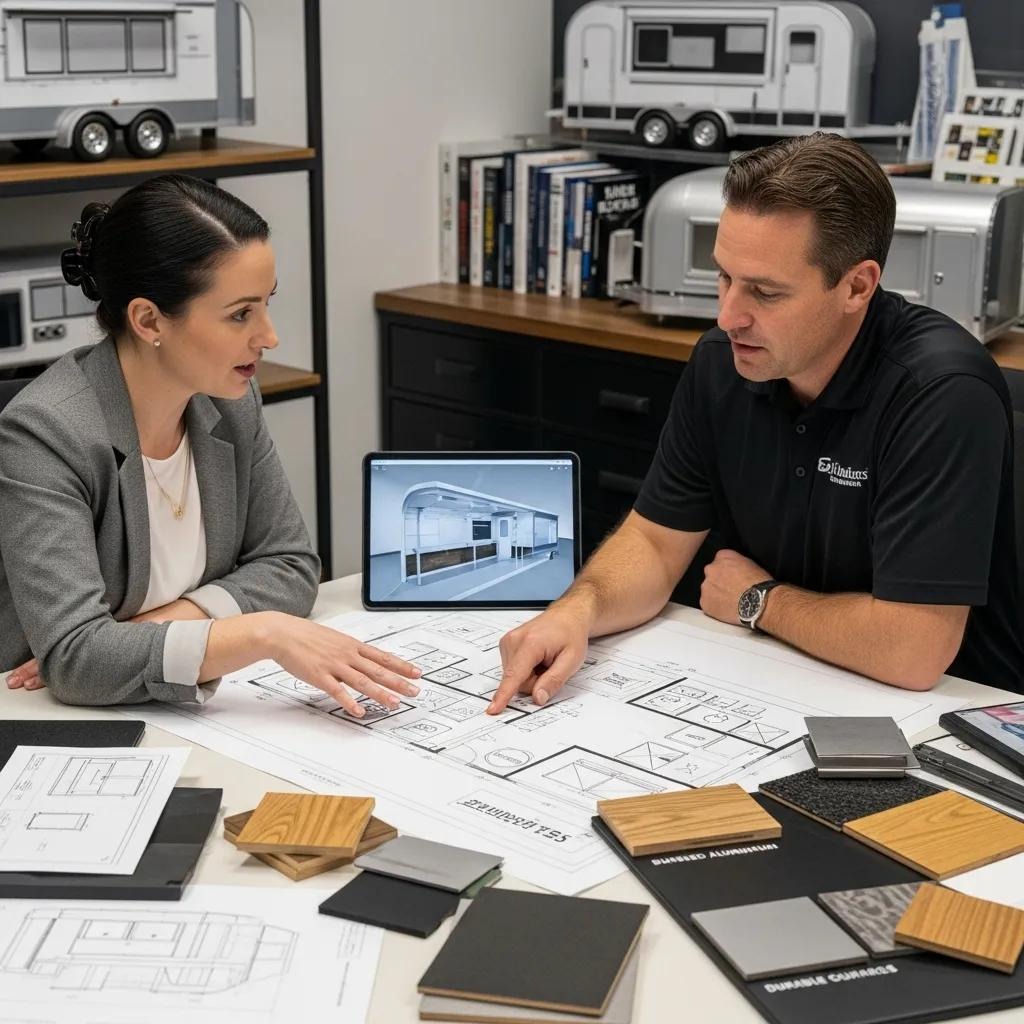
SDG Trailers offers collaborative design support so your trailer’s layout, equipment, and graphics reflect how you work and how you want your brand to look in public.
Essential Features to Include
Certain elements are critical to daily operations. Don’t skip these when planning your build:
- High-Quality Kitchen Equipment: Choose reliable, code-compliant appliances sized for your menu and expected volume.
- Efficient Service Windows: Place windows for quick customer flow and easy pass-throughs for staff.
- Accessibility Features: Incorporate ramps or designated service areas to serve more customers and meet accessibility requirements.
SDG Trailers includes premium equipment options and flexible service window layouts to help operators maximize efficiency and customer satisfaction.
Financing Solutions
Financing a custom trailer is a common hurdle, but several viable options exist depending on your credit, timeline, and cash flow:
- Traditional Loans: Banks and credit unions offer equipment loans—approval typically depends on credit history and a solid business plan.
- Equipment Financing: Loans structured specifically for equipment purchases can offer competitive terms tied to the trailer itself.
- Leasing Options: Leasing reduces upfront costs and can be a practical way to start operations while preserving working capital.
SDG Trailers can help you explore these paths and connect you with financing resources to match your budget and growth plan.
How to Apply for Food Trailer Financing Solutions?
Keep the application process simple by following these steps:
- Prepare Documentation: Assemble your business plan, projected financials, tax returns, and credit information.
- Choose Lenders: Compare banks, credit unions, and specialty equipment lenders for rates and terms.
- Submit Application: Fill out applications carefully and provide clear, complete documentation to speed approval.
What Are the Typical Financing Terms and Conditions?
Financing terms vary, but expect these common elements:
- Interest Rates: Rates depend on credit profile and lender criteria.
- Repayment Period: Equipment loans commonly run 3–7 years, depending on the lender and loan size.
- Down Payment Requirements: Down payments often range from 10% to 30% of the purchase price.
Steps to Purchase
Follow these practical steps to buy a custom food trailer:
- Research Manufacturers: Compare builders by experience, warranty, and customization capabilities—SDG Trailers is a recommended option for many operators.
- Request Quotes: Get detailed quotes that list materials, equipment, and lead times so you can compare apples to apples.
- Review Financing Options: Match financing to your cash flow and growth plan; use manufacturer guidance when available.
Who Are the Leading Custom Food Trailer Manufacturers?
Knowing leading manufacturers helps you weigh options. Some noteworthy names in the space include:
- SDG Trailers: Recognized for customizable custom food trailers, quality construction, and responsive service.
- Manufacturer B: Offers a broad set of customization choices at competitive prices.
- Manufacturer C: Focuses on eco-friendly builds using sustainable materials.
What Defines Quality in Custom Food Trailer Manufacturing?
Quality builders deliver on several fronts:
- Materials Used: Long-lasting, sanitary materials keep your trailer operating well and passing inspections.
- Craftsmanship: Skilled fabrication and installation translate to fewer issues in daily use.
- Compliance with Health Standards: Designs that anticipate local code requirements prevent costly retrofits.
SDG Trailers demonstrates these quality measures with premium materials, experienced technicians, and a focus on code-compliant builds.
How to Choose the Best Manufacturer for Your Mobile Business
Pick a manufacturer by weighing these practical factors:
- Expertise and Experience: Look for proven builds in your segment—companies like SDG Trailers specialize in food-trailer solutions.
- Customer Reviews: Read operator feedback for real-world insights into reliability and support.
- Design Support: Ensure the builder offers layout and equipment planning to make the trailer work for your team.
What Customization Options Are Available for Mobile Food Trailers?
Customization ranges from cosmetic to highly functional. Key choices include:
- Design Features: Exterior wraps, lighting, and service windows that match your brand and attract customers.
- Equipment Choices: Select appliances and storage that suit your menu and volume.
- Layout Configurations: Configure prep zones, passthroughs, and storage to improve speed and safety.
SDG Trailers provides extensive customization—from graphics to equipment and interior layout—so your trailer fits your operation and brand identity.
Which Interior and Exterior Features Enhance Food Trailer Functionality?
Features that boost performance include:
- Tailored Kitchen Layouts: Layouts crafted for your menu reduce steps and speed up service.
- High-Quality Kitchen Equipment: Durable appliances maintain consistency and lower maintenance needs.
- Durable Construction: Robust materials and finishes extend service life and reduce downtime.
SDG Trailers equips builds with durable materials and appropriate equipment choices tailored to your layout and volume requirements.
How Do Customization Features Impact Operational Efficiency?
Thoughtful customization improves day-to-day performance by:
- Optimizing Workflows: Smart layouts cut unnecessary movement and speed order fulfillment.
- Enhancing Equipment Quality: Reliable gear reduces repairs and keeps service steady.
- Ensuring Compliance: Built-in code-compliant features reduce inspection issues and downtime.
What Are the Essential Food Concession Trailer Features for Success?
Success hinges on a few non-negotiables:
- Must-Have Equipment: Select core appliances that meet your menu and health-code needs.
- Design Considerations: Prioritize layouts and customer-facing elements that simplify service and boost appeal.
- Compliance Requirements: Design to local regulations from the start to avoid costly changes later.
SDG Trailers integrates these essentials into their builds to help operators reach reliable, repeatable performance.
Which Trailer Dimensions and Materials Optimize Mobile Food Operations?
Your trailer’s size and materials should reflect your menu and workflow:
- Importance of Dimensions: Choose dimensions that fit your equipment, staff, and the venues where you’ll operate.
- Material Choices: Opt for materials that withstand heavy use and meet sanitation standards.
- Impact on Operations: Right-sizing your trailer improves mobility, parking options, and daily usability.
How Do Regulatory Compliance and Maintenance Affect Trailer Performance?
Compliance and upkeep are critical to keeping your trailer in service:
- Health Code Compliance: Meeting local codes ensures safe food handling and smoother permitting.
- Operational Efficiency: Scheduled maintenance reduces breakdowns and extends equipment life.
- Safety Enhancements: Built-in safety features protect staff and customers and lower liability risk.
To help make a purchase more achievable, consider the financing solutions available through SDG Trailers.
About the Author and Our Organization
This guide is produced by a team committed to helping mobile food entrepreneurs succeed. We combine hands-on industry experience with practical guidance on trailer builds, operations, and financing so you can make confident decisions.
Our contributors include professionals in food-trailer manufacturing, small-business finance, and mobile operations. We aim to provide accurate, current, and useful advice that helps you move from planning to serving customers more efficiently.
Learn more about our team and mission on our About Us page.
Frequently Asked Questions
What are the key benefits of owning a custom food trailer?
A custom food trailer delivers tailored workflow, equipment that fits your menu, and consistent branding—so you can serve customers efficiently and stand out in crowded events. It also lets you design for compliance and long-term reliability, which supports consistent revenue and growth.
How can I ensure my food trailer complies with health regulations?
Start by researching local health codes for mobile vendors. Work with your manufacturer to include necessary features—proper ventilation, handwashing stations, approved refrigeration, and safe storage. Schedule regular inspections and maintenance, and consult local health officials if you’re unsure about specific requirements.
What financing options are available specifically for food trailers?
Common routes include bank or credit-union loans, equipment financing tied to the trailer, and leasing programs that reduce upfront costs. Some manufacturers, including SDG Trailers, can help you explore lender options or financing partners to find terms that suit your budget.
How do I maintain my custom food trailer for longevity?
Keep a maintenance routine: clean and service kitchen equipment regularly, inspect seals and exterior surfaces, and maintain electrical and plumbing systems. Address wear and tear promptly and keep detailed service records to help with inspections and resale value.
What are the most common mistakes to avoid when purchasing a food trailer?
Avoid underbudgeting, skipping manufacturer research, and overlooking local regulations. Don’t underestimate operational needs—ensure the trailer’s layout and equipment actually support your menu and staff. Finally, get multiple quotes and clear timelines before committing.
How can I effectively market my mobile food business using the trailer?
Use your trailer as a mobile billboard: prioritize bold, consistent branding and clear menu displays. Promote your location and schedule on social media, run local promotions, and participate in community events. Partnerships and loyalty programs can also help build steady customer traffic.
Conclusion
Buying a custom food trailer is an investment in efficiency, compliance, and brand visibility. With careful planning—choosing the right manufacturer, including key features, and selecting practical financing—you can build a trailer that supports daily operations and long-term growth. Explore our selection of custom food trailers and take the next step toward launching or scaling your mobile food business.